

A builder’s guide. Last updated September 2026.
Building new homes in the Cotswolds is not like building anywhere else, and the reason is not the stone. It is the planning.
We have the same conversation 2 or 3 times a year. Someone arrives with a permission they fought 18 months for; we price it, and the number is nothing like the one in their head. Planning permission is not the finish line. It is the moment your build cost gets locked in.
Can you build a new house here?
Yes, but it is harder than almost anywhere in England. Homes inside village boundaries, gap sites and replacements for existing houses get approved regularly. A new house in an open field almost never does.
The Cotswolds has been protected since 1966 and was renamed from AONB to National Landscape in 2023. The name changed; the protection did not. Paragraph 176 of the National Planning Policy Framework gives “great weight” to the landscape here. Section 245 of the Levelling Up and Regeneration Act 2023 went further. Councils must now “seek to further” its natural beauty, not simply “have regard to” it. A scheme that merely does no harm is now a weak application.
Can I build a one-off house in the middle of a field?
There is one route, and it is narrow. The rules allow a new house on an isolated site if the design is “truly outstanding or innovative” and would “significantly enhance its immediate setting.” Planners call this paragraph 79(e). Older guides call it 84, 80 or 55, because it keeps being renumbered.
People do win these. Most do not. Expect 12 to 24 months and £10,000 or more spent on architects, design review and surveys before you even find out.
Worth knowing from our side of the fence. “Truly outstanding” nearly always means details that cost several times the standard version. Frameless glass, hidden gutters, long unsupported spans. So get the drawings priced while they can still be changed, not after permission is granted and the design is locked.
Do I have to use Cotswold stone?
No. There is no law requiring it. Conservation areas and listed buildings are a different story, but reconstituted stone, timber, zinc and lime render all get approved elsewhere. What catches people is supply. Cotswold stone somehow takes longer to arrive than a kitchen from Italy, and the good masons are booked months ahead.
Is it easier to knock down and replace?
Much easier. The principle of a house on the site is already settled, so paragraph 79 does not apply. Three things will catch you out, though.
- The old house must be lawful and not abandoned. A roof, four walls and a family of pigeons is not always a house in planning terms.
- Most local plans cap how much bigger the replacement can be than the original.
- Demolish to ground level, or you may lose your VAT reclaim entirely. Keeping a wall because you are fond of it can turn a new build into a conversion.
VAT and the levy
You can reclaim VAT on materials through the DIY Housebuilders Scheme, within six months of completion, one claim only. Labour on a qualifying new build should be zero-rated anyway, so query any builder who adds it.
The Community Infrastructure Levy exemption is the one people get wrong. Form 7 approved first, then Form 6 before any work starts, then start in that order. Breaking ground early is the most expensive paperwork mistake in self-building.
How do we help with building new homes in the Cotswolds?
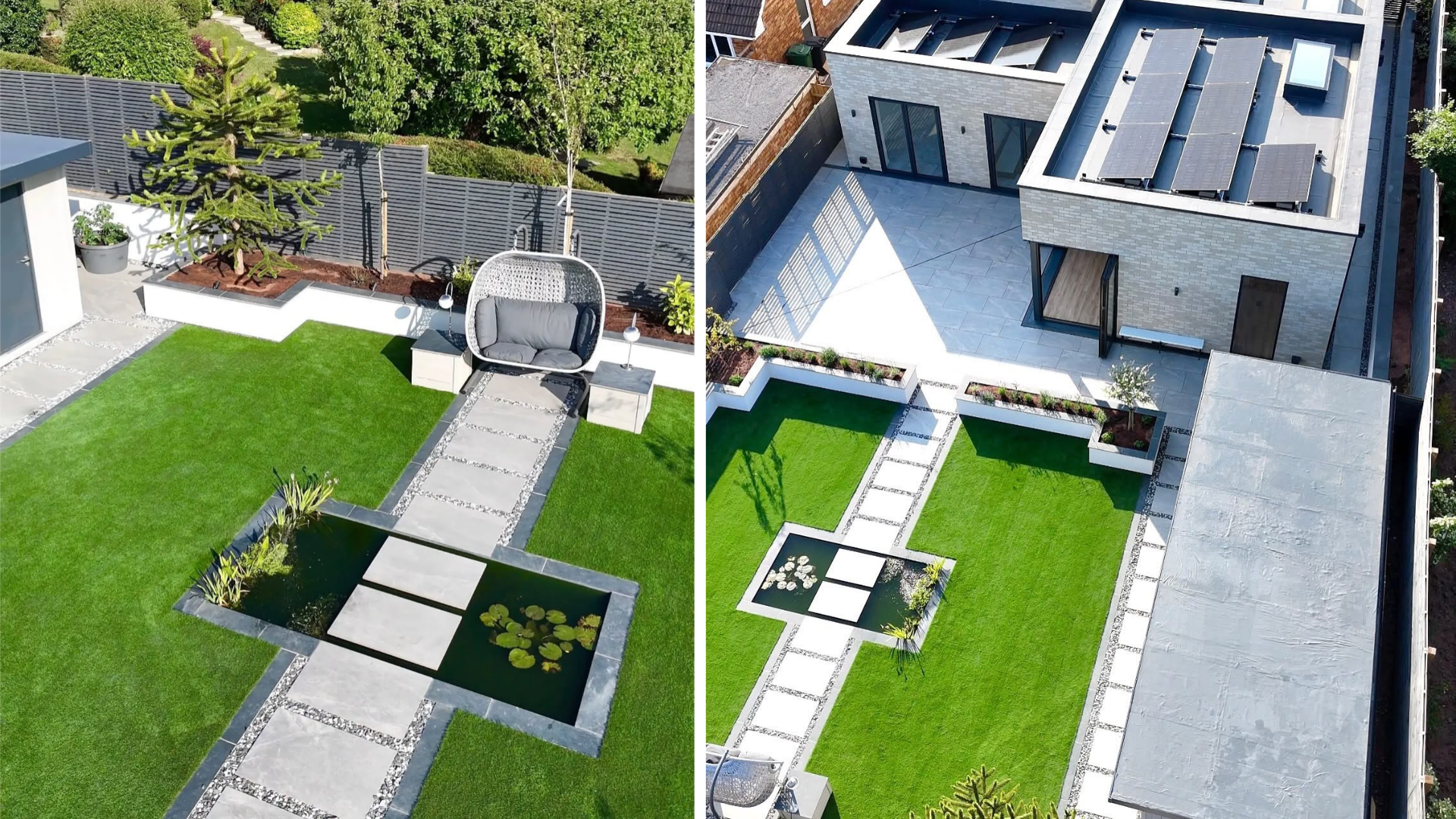
Before you apply, we will walk the site, price a sketch scheme, and tell you where the money is going while the drawings can still change. Once you have permission, we read the conditions, cost them, sort the forms, and order stone before it becomes a programme problem.
Building new homes in the Cotswolds rewards getting a builder involved early, because almost everything expensive is decided on paper long before anyone turns up with a digger. You can see more about how our new build service works and the kind of projects we take on.
If you have a site, or just a postcode and an idea, call us on 01452 504 525 or talk to us about your new build. An honest opinion costs you nothing, including when the honest opinion is that the plot will not work.
We will also tell you it takes slightly longer than you are hoping. We are builders. It is practically in the contract.
Disclaimer
General information only, not planning, legal or tax advice. Policy and HMRC rules change, and framework paragraph numbers get renumbered. Every site is different. Confirm the current position with your council and take professional advice before committing money.